Child Safety at Legacy
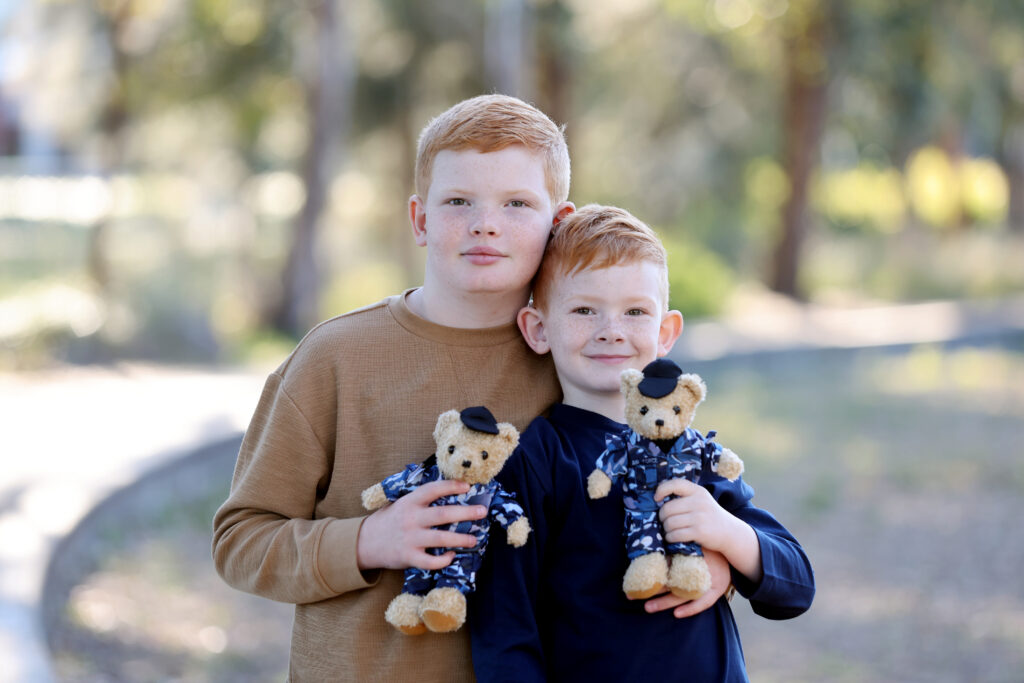
Legacy is committed to being a child safe organisation — one where children and young people are safe, valued, and know that their voice matters.
Keeping children and young people safe
Legacy fully supports and endorses the implementation of Child Safe Standards, and all relevant legislative obligations.
This means:
- We prioritise the safety and wellbeing of every child and young person in our care.
- We treat all children and young people with fairness, respect and dignity.
- We are committed to being culturally safe for Aboriginal and Torres Strait Islander children and families.
- Children and young people are informed of their rights, involved in decisions that affect them, and listened to.
- Families and communities are part of how we look after child safety and wellbeing.
- Everyone working or volunteering with Legacy is appropriately screened and trained.
- We protect children and young people in both online and in-person settings.
- We regularly review and strengthen our child safety practices, and everyone is encouraged to speak up.

Your right to be heard
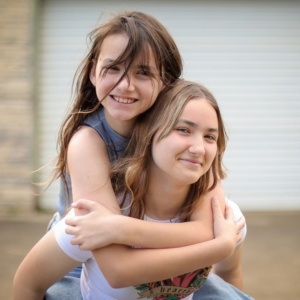
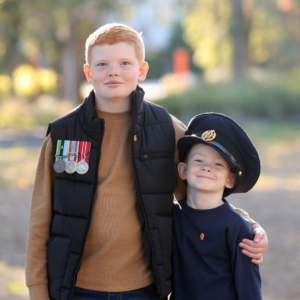
Have something to tell us? We want to hear it, whether it’s positive feedback or something that didn’t sit right with you. Sharing feedback helps us do better, and we take it seriously. We promise to look into it quickly, fairly and openly.
We know some things can feel hard or personal to talk about. What you share is completely up to you, including how much detail you go into.
How to Make a Complaint
How to Give Feedback
How we handle your feedback
You can tell us in whatever way feels easiest, in person, over the phone, or in writing. Fill out our online form (click Talk to us / Give your feedback) or download a physical copy and post it to us.
Got a worry, a problem, a complaint, or even just an idea? Here’s what happens when you tell us:

We listen.
We hear you out and let you know what happens next in our process.

We acknowledge.
Once you’ve told us, we’ll get back to you on how we’re handling it. We’ll also make sure you’re never worse off for speaking up.

We look into it.
We look into what happened, why it happened, and what needs to be done about it.

We resolve it.
We keep you updated and work with you to sort things out in a way that feels fair.
Talk to us
If you have a worry, a problem, a complaint, compliment, suggestion, or feedback, you can share it with us using our online form.

If you or someone you know is in immediate danger, call 000.
If it’s not an emergency but you’re worried about the safety of a chi ld, you can contact:
- Police Assistance Line — 131 444
- Crime Stoppers — 1800 333 000 (you don’t have to give your name) — crimestoppers.com.au
Other resources
Kids Helpline — Free, confidential counselling for young people, available any time. Call 1800 551 800 or visit kidshelpline.com.au
Bravehearts — specialist support for children and families affected by child sexual abuse. Call 1800 272 831 (Mon–Fri, 8:30am–4:30pm) or visit bravehearts.org.au
National Office for Child Safety — information and a full list of support services, including an Easy Read guide on How to speak up and make a complaint. Visit childsafety.gov.au
Translating and Interpreting Service (TIS National) — support in languages other than English. Call 131 450 or visit tisnational.gov.au
National Relay Service — for people who are deaf or hard of hearing. TTY: 1800 555 677, Speak & Listen: 1300 555 727
NAPCAN — learn more about children’s rights, including the UN Convention on the Rights of the Child. Visit napcan.org.au
